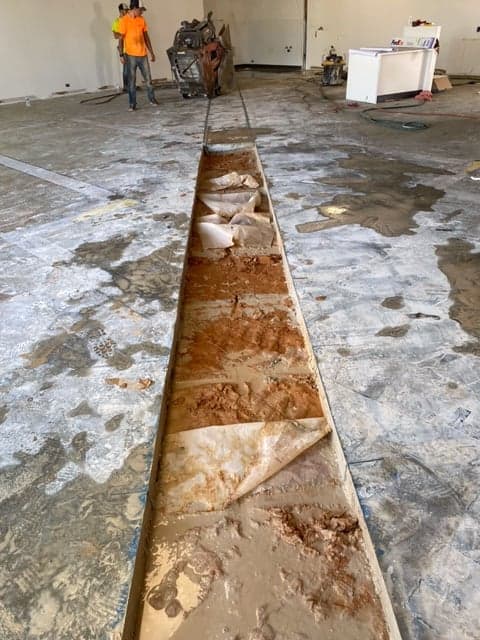
Diamond core drilling produces clean, round holes through concrete for plumbing, HVAC, electrical, and structural penetrations. On a normal slab it is routine work. On a post-tensioned (PT) deck it is one of the highest-stakes jobs in the trade — and the difference between routine and catastrophic comes down to one discipline: scanning first.
Why post-tension decks are different
A PT slab is held together by steel tendons tensioned to enormous force and anchored at the slab edges. They make thinner, longer-spanning floors possible — which is why you see them in parking structures, high-rises, and modern commercial buildings across the Gulf Coast. But those tendons are exactly where a core bit must never go.
Sever a PT cable and three things happen at once:
- ▸The tendon releases its stored energy, sometimes explosively
- ▸The structural capacity of that bay of the deck is compromised
- ▸The project stops while a structural engineer evaluates the damage and designs a repair
That sequence routinely costs six figures and weeks of schedule. It is entirely preventable.
The scan-first coring process
Here is how we core a post-tensioned slab at Reliable Concrete LLC:
1. Locate to plan. We mark the intended core location against the drawings.
2. GPR scan the area. We map every PT cable, rebar bar, and conduit run around the core point — in multiple passes and orientations to triangulate depth.
3. Adjust if needed. If a cable runs through the target, we shift the core to clear it. We do not core blind on PT decks, ever.
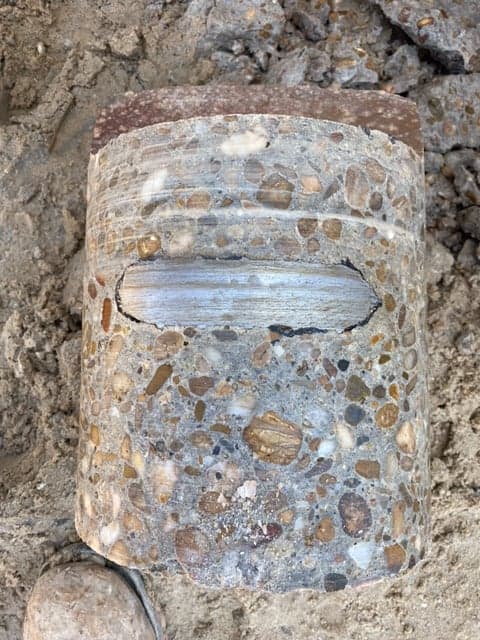
4. Anchor and drill. Once the location is confirmed clear, we set the rig, drill at the correct speed and feed, and extract the slug cleanly.
5. Clean and cap. We manage the water and cuttings and leave the hole ready for the next trade.
Wet coring or dry coring?
- ▸Wet coring is faster, cooler on the bit, and cleaner — the right call when water on the deck is acceptable.
- ▸Dry coring with HEPA dust collection is for finished interiors, electrical rooms, and anywhere water would be a problem.
We carry both because the right method depends on the space, not on what is convenient for the crew.
Sizes from 1 inch to 60 inches
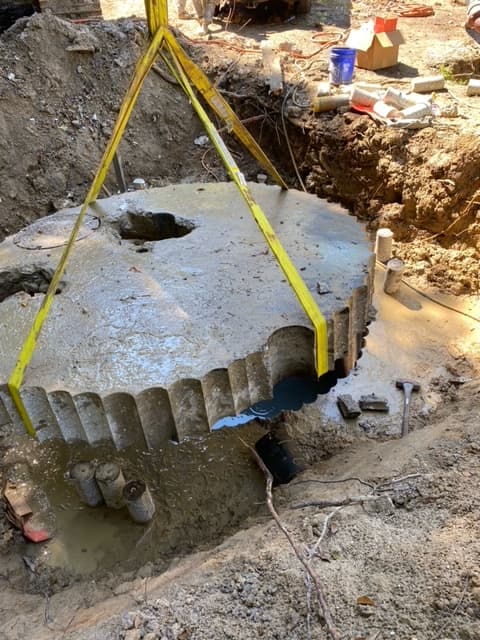
We drill cores anywhere from a 1-inch anchor hole to a 60-inch manhole penetration — vertical, horizontal, or angled, through slabs, walls, columns, and footings. Our largest to date was a 4-foot manhole core on a Gulfport utility project, handled with rigging, scanning, and clean removal.
If you have coring on a post-tensioned deck coming up, get a quote or call us. We will scan it, clear it, and core it right the first time.
Need concrete cutting or scanning?
Talk to Rocky directly for a fast, accurate quote across the Gulf Coast.