Service
Core Drilling
Diamond core drilling from 1" to 60" for plumbing, electrical, HVAC, and structural penetrations.
About Core Drill
Diamond-tipped core drilling produces clean, round holes through concrete, masonry, and stone — anywhere from 1 inch to 60 inches in diameter. Every core is GPR-scanned first to avoid hitting rebar, conduit, or post-tension cables.
Concrete core drilling uses a diamond-tipped cylindrical bit to cut clean, round holes through concrete, masonry, and stone. At Reliable Concrete LLC we drill core holes anywhere from 1 inch up to 60 inches in diameter — at any angle, in any direction, through slabs, walls, columns, and footings. Every core is GPR-scanned before the bit ever touches the surface.
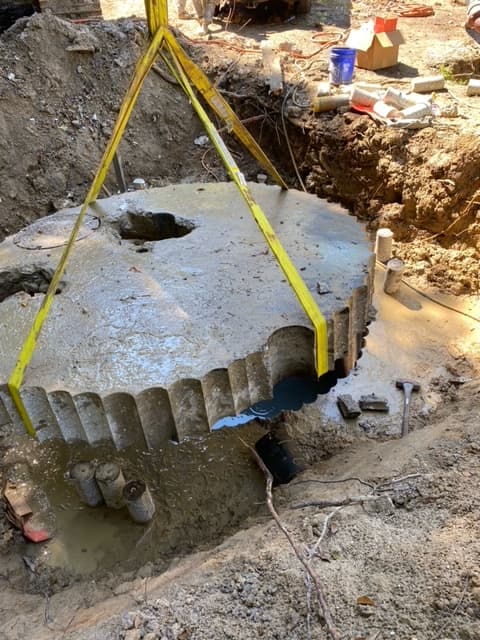
Core drilling is the right tool for plumbing rough-ins, HVAC penetrations, electrical and data conduit pass-throughs, anchor and dowel installation, structural test cores, and any time a clean, round hole is needed through concrete. We run wet coring for clean cuts and dry coring with HEPA collection where water is not an option. Our largest manhole core to date was a 4-foot diameter penetration on a Gulfport utility project — handled with rigging, scanning, and clean removal.
Hitting a post-tension cable on a coring job is a six-figure mistake. Hitting a live conduit can be a fatal one. That is why scanning is non-negotiable on every structural core we drill. We work across Gulfport, Biloxi, Pascagoula, New Orleans, Mobile, and the broader 500-mile Gulf Coast region for commercial GCs, MEP contractors, and industrial facility owners.
What you get
- ✓1" to 60" diameter
- ✓Vertical, horizontal, and angled
- ✓Wet and dry coring
- ✓Pre-scanned for safety
Common applications
- Plumbing and HVAC penetrations
- Electrical and data conduits
- Anchor and rebar dowel holes
- Structural test cores
Our core drill process
- 01
Locate & scan
We mark the core location to plan, then GPR-scan the area to find rebar, PT cables, and conduit before drilling.
- 02
Bit selection
Diameter, depth, and angle dictate the rig and bit — handheld for small holes, rigged for large or angled cores.
- 03
Anchor & set up
Rigs are anchored to the substrate with vacuum or mechanical anchors and leveled for perpendicularity.
- 04
Drill & extract
We drill at the right speed and feed for the substrate, extract the slug cleanly, and inspect the hole.
- 05
Clean & cap
We clean cuttings and water, deliver the slug if requested, and leave the hole ready for the next trade.
Why GCs choose us for core drill
1 inch to 60 inches
From small anchor holes to 5-foot manhole cores — one crew, one phone call.
Always scanned first
Every structural core is GPR-scanned. No hit PT cables, no severed conduit, no nasty surprises.
Wet & dry coring
Wet coring for clean, fast holes. Dry coring with HEPA collection where water is not an option.
Any angle, any direction
Vertical, horizontal, overhead, angled — through slabs, walls, columns, and footings.
Equipment we run
- ▸Hilti DD core drilling rigs
- ▸Husqvarna DM rigs for large diameters
- ▸Diamond core bits from 1" to 60"
- ▸Vacuum and anchor base mounting systems
- ▸Wet and dry coring water management
Industries we serve
Frequently asked questions
What is core drilling used for?
Core drilling cuts clean round holes through concrete, masonry, or stone for plumbing, HVAC, electrical, data, anchor installation, structural test cores, and any other penetration that needs a precise round opening.
What size cores can you drill?
Anywhere from 1 inch up to 60 inches in diameter. Small handheld rigs handle the small bits; larger anchor-mounted rigs handle 12-inch and up. We have drilled 4-foot manhole cores in Gulfport.
Wet coring or dry coring — which do I need?
Wet coring is faster, cleaner, and produces less heat — best when water on the deck is acceptable. Dry coring with HEPA dust collection is the right call inside finished spaces, electrical rooms, and anywhere water is a problem.
Do you scan before every core?
Yes — every structural core gets a GPR scan first. Hitting a post-tension cable or live conduit is one of the most expensive mistakes on a jobsite, and scanning prevents it.
Can you core through a post-tensioned slab?
Yes, but only after a full GPR scan to map every PT cable. We adjust the core location as needed to avoid every cable. We do not core blind on PT decks — ever.
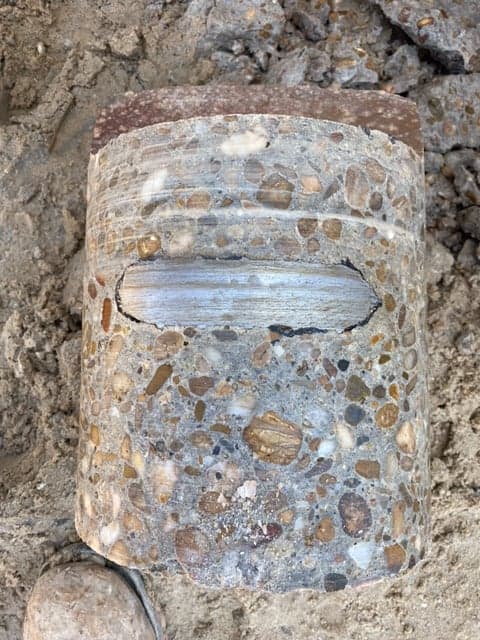
Do you keep the cored slug?
If you want the slug for a structural test or sample, just say so and we will deliver it clean. Otherwise we dispose of it with the rest of the cuttings.
Other services we offer
Concrete Scanning (GPR)
Ground penetrating radar scanning to locate rebar, post-tension cables, conduit, and voids before you cut.

Concrete Cutting
Full-service concrete cutting for commercial GCs and industrial facilities — clean cuts, on schedule.
Flat Sawing
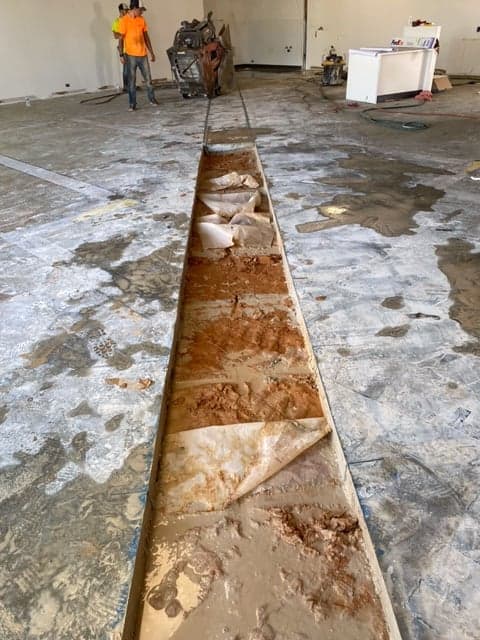
Walk-behind flat sawing for slabs, pavement, and bridge decks up to 24 inches deep.
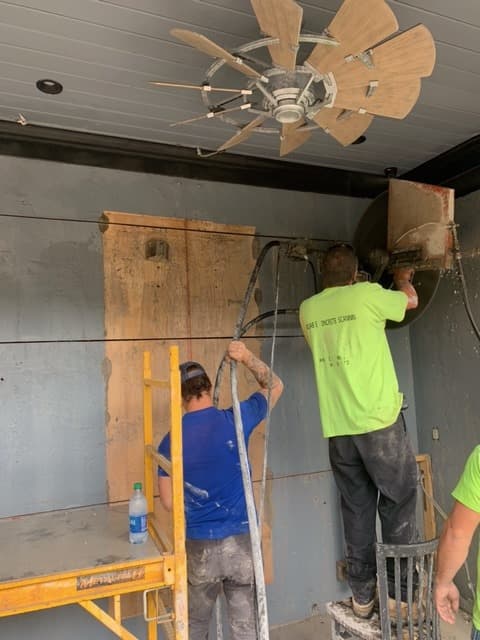
Wall Sawing
Track-mounted wall sawing for vertical and overhead cuts up to 30 inches deep.

Selective Demolition
Surgical concrete removal — pull out exactly what needs to go without damaging what stays.
Ready to get started?
Get a fast, accurate quote from a local crew that shows up when they say they will.