Service
Concrete Scanning (GPR)
Ground penetrating radar scanning to locate rebar, post-tension cables, conduit, and voids before you cut.
About Concrete Scanning
We use ground penetrating radar (GPR) to safely locate embedded rebar, post-tension cables, electrical conduit, plumbing, and voids inside concrete slabs and walls. Scanning every cut and core before we drill keeps your crew, your structure, and your schedule safe.
Concrete scanning uses ground penetrating radar (GPR) to safely image the inside of a concrete slab, wall, or column before any cutting, coring, or drilling takes place. At Reliable Concrete LLC, our trained GPR technicians scan every job across Gulfport, Biloxi, Pascagoula, New Orleans, Mobile, and the surrounding Gulf Coast — locating rebar, post-tension cables, electrical conduit, plumbing lines, and voids before a single blade or bit ever touches the surface.
GPR scanning is the modern alternative to X-ray imaging. It is completely non-destructive, requires no radiation, and does not require evacuating the work area. That means we can scan in occupied buildings, hospitals, casinos, and active industrial facilities without shutting down operations. Our crews mark out findings live on the deck so contractors and electricians can adjust their layout immediately — no waiting for a report.
Whether you are planning a single 4-inch core through a post-tensioned deck or mapping an entire slab before a major demo, scanning first is the cheapest insurance on the jobsite. One severed PT cable can cost six figures and weeks of delay. We scan because it is the right way to cut concrete safely.
What you get
- ✓Non-destructive GPR imaging
- ✓Real-time markouts on the deck
- ✓Rebar, PT cable, conduit & void detection
- ✓Reports available on request
Common applications
- Pre-coring inspections
- Slab thickness verification
- Locating utilities before saw cutting
- Structural assessments
Our concrete scanning process
- 01
Pre-scan briefing
We review drawings, mark target areas, and confirm what you need located — rebar, conduit, PT cables, voids, slab thickness, or all of the above.
- 02
Surface prep & grid
We clear and grid the scan zone so the radar passes are systematic and repeatable. Nothing gets missed.
- 03
Live GPR imaging
Our technicians run the antenna across the grid in multiple orientations to triangulate every embedded object below the surface.
- 04
Real-time markouts
We paint or chalk findings directly on the concrete so your crew can drill, cut, or anchor with full confidence.
- 05
Documentation
On request, we provide a written scan report with depth callouts, photos, and recommendations for sign-off and project records.
Why GCs choose us for concrete scanning
Non-destructive & safe
No radiation, no area evacuation, no shutdowns. Scan in occupied facilities while work continues nearby.
Same-day mobilization
Need a scan tomorrow morning? Across the Mississippi Gulf Coast we routinely mobilize same-day or next-day.
Trained operators
Our techs know the difference between rebar, PT cable, conduit, and a void — and they call it correctly the first time.
Reports on demand
Get a written report with depth callouts and photos for engineering sign-off, RFIs, or project closeout.
Equipment we run
- ▸Hilti PS 1000 X-Scan ground penetrating radar
- ▸GSSI StructureScan Mini XT
- ▸Multi-frequency antennas for deep slab imaging
- ▸On-deck markout and documentation kit
Industries we serve
Frequently asked questions
How accurate is GPR concrete scanning?
Modern GPR equipment locates rebar, conduit, and post-tension cables to within roughly 1/4 inch of their actual position and depth in typical slabs up to 18 inches thick. Accuracy depends on concrete moisture, rebar density, and operator skill — which is why we run multiple passes in different orientations.
Is GPR safer than X-ray scanning?
Yes. GPR uses radar waves, not radiation, so there is no need to evacuate the area, post warning signs, or shut down nearby work. You can keep crews working in the same room while we scan.
How thick of a slab can you scan?
We routinely image concrete from 2 inches up to about 18–24 inches thick. Heavily reinforced or post-tensioned slabs may require additional passes, but we can usually still locate every critical embed.
Do I need a scan before every core or cut?
On any structural slab, deck, or post-tensioned member — yes. The cost of one severed PT cable or hit conduit is hundreds of times the cost of a scan. We scan before every core on PT decks as standard practice.
How fast can you get to my jobsite?
Across the Mississippi Gulf Coast we mobilize same-day or next-day for most scanning calls. For New Orleans, Mobile, and the broader 500-mile service radius, we usually schedule within 24–48 hours.
Do you provide written scan reports?
Yes — on request we deliver a written report with annotated photos, depth callouts, and a clear pass/no-pass recommendation for the proposed cut or core location.
Other services we offer

Concrete Cutting
Full-service concrete cutting for commercial GCs and industrial facilities — clean cuts, on schedule.
Flat Sawing
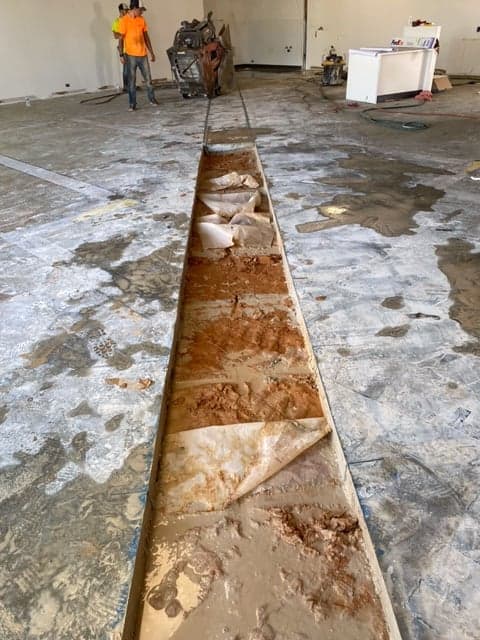
Walk-behind flat sawing for slabs, pavement, and bridge decks up to 24 inches deep.
Wall Sawing
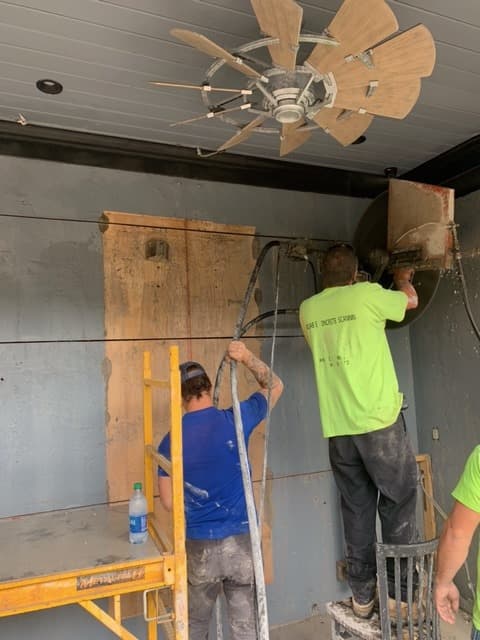
Track-mounted wall sawing for vertical and overhead cuts up to 30 inches deep.
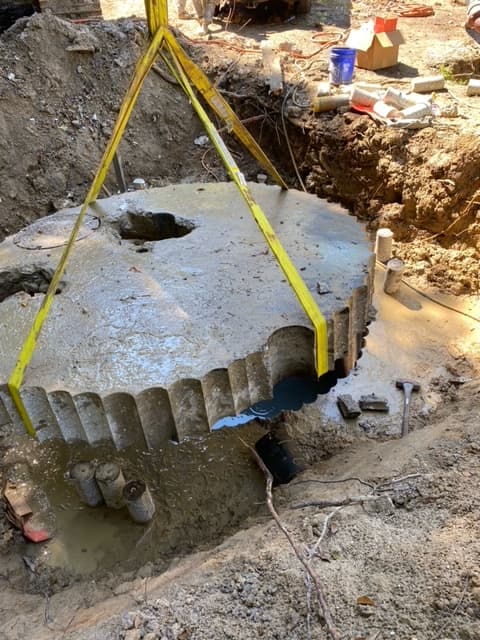
Core Drilling
Diamond core drilling from 1" to 60" for plumbing, electrical, HVAC, and structural penetrations.

Selective Demolition
Surgical concrete removal — pull out exactly what needs to go without damaging what stays.
Ready to get started?
Get a fast, accurate quote from a local crew that shows up when they say they will.